

Hear from Our Customers
You can’t fix what you can’t see. Mold grows in places you’d never think to look—behind drywall, under flooring, inside HVAC systems. By the time you smell it or see discoloration, it’s already been there a while.
A professional mold testing company does more than confirm what’s visible. We test the air. We sample surfaces. We check moisture levels in areas that stay damp longer than they should. That’s how you find out if you’re dealing with surface mold or something deeper.
Once we know what’s there, you get a clear report. No guessing. No worst-case scenarios meant to scare you. Just facts about what type of mold is present, where it’s growing, and what needs to happen next. That’s the difference between reacting to a problem and actually solving it.
We’ve been serving Gardenville and the surrounding Bucks County area long enough to know how homes here are built—and where they’re most vulnerable. Older homes with stone foundations, newer builds with poor ventilation, basements that flood every few years. We’ve seen it all.
We’re not a national franchise following a script. We’re local, and we show up when we say we will. Our team uses certified testing methods, modern equipment, and straightforward communication. No upselling. No scare tactics.
If there’s mold, we’ll tell you. If there’s not, we’ll tell you that too. And if you need help fixing it, we’ll walk you through what that looks like—step by step.
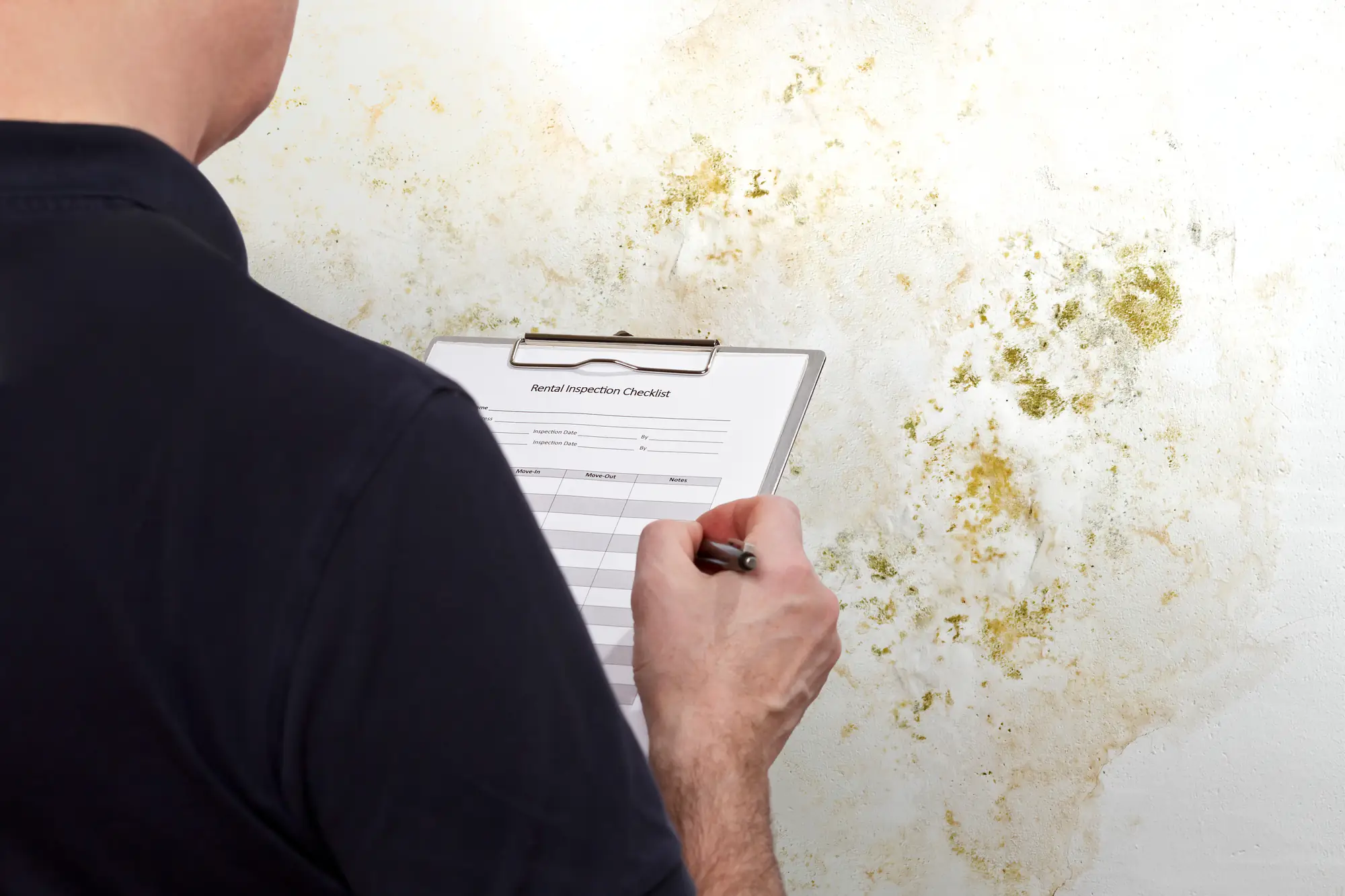
First, we schedule a time that works for you. When we arrive, we walk through your property and ask about any concerns—musty smells, water damage, health symptoms, visible spots. That context matters.
Next, we inspect the areas most likely to have mold. Basements, bathrooms, kitchens, attics, crawl spaces. We look for moisture, condensation, poor airflow, and any signs of past leaks. We also check hidden spots like behind appliances and inside wall cavities if needed.
Then we collect samples. Air sampling tells us what’s floating around that you’re breathing in. Surface sampling confirms what’s growing on walls, floors, or ceilings. We measure humidity and moisture levels to understand why mold is growing in the first place.
After testing, samples go to a certified lab. You get a full report that breaks down what was found, where it was found, and what it means for your home. We review everything with you and answer your questions. If remediation is needed, we explain what that looks like, how long it takes, and what it costs. No surprises.
Ready to get started?
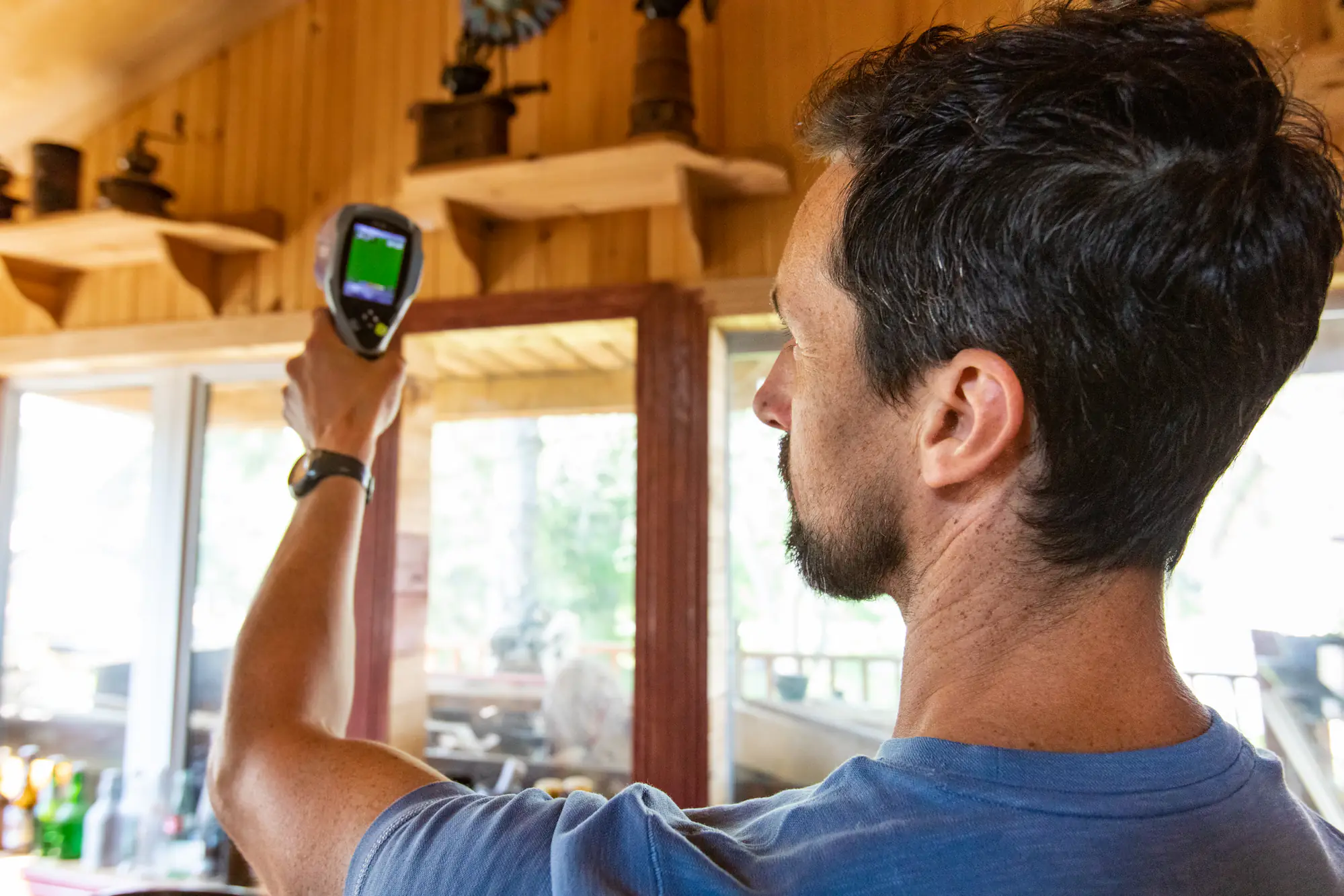
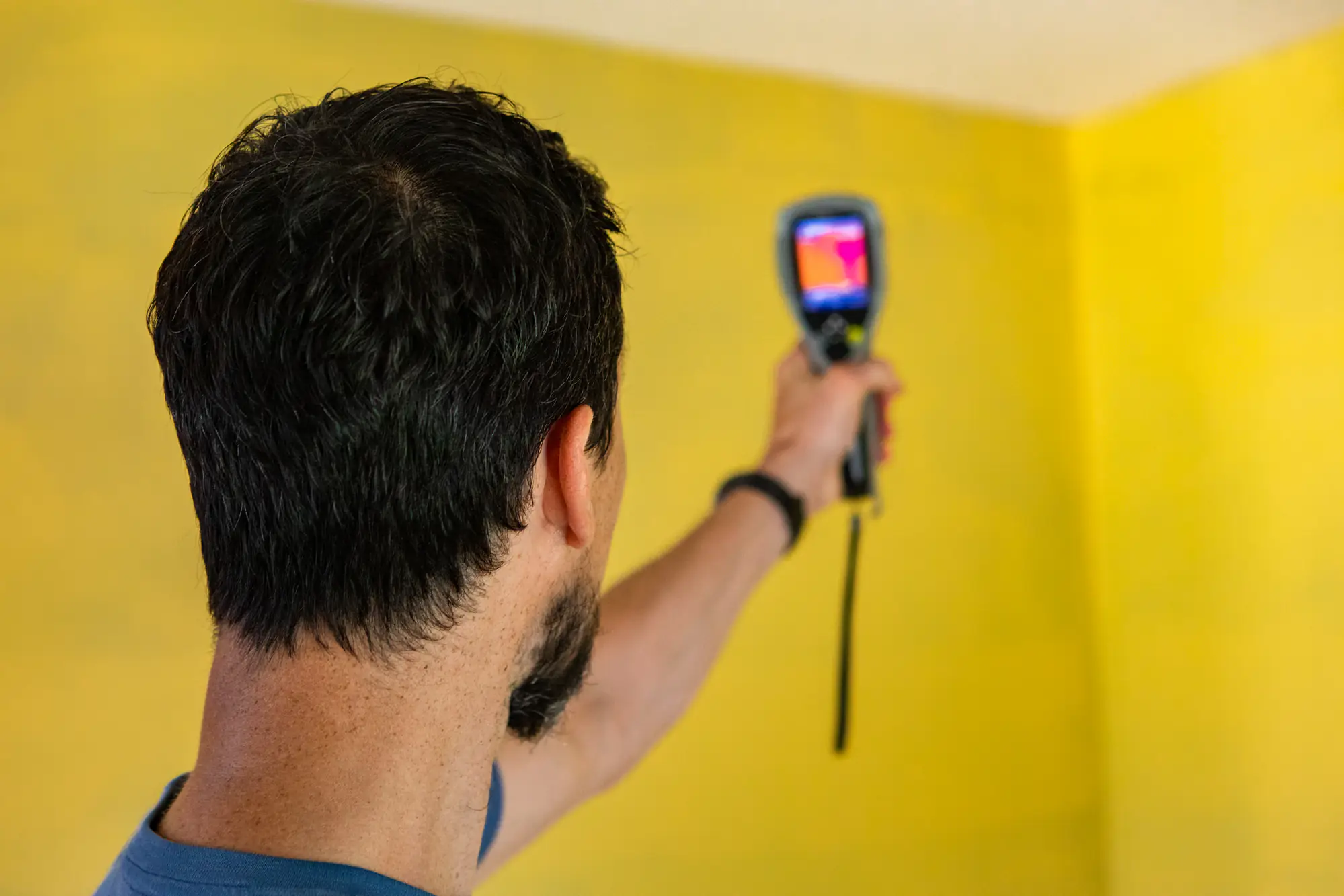
When you hire us for residential mold testing, you’re getting a full assessment—not just a quick look around. We bring calibrated equipment designed to detect mold even when it’s not visible. That includes moisture meters, thermal imaging cameras, and air sampling pumps.
Gardenville’s climate doesn’t do homeowners any favors. Pennsylvania’s precipitation has increased by 5-10% in recent years, and Bucks County sees its share of humid summers and wet springs. That means basements stay damp longer, crawl spaces don’t dry out, and attics trap moisture. All of that creates the perfect environment for mold to thrive.
Our testing accounts for those conditions. We don’t just test one room and call it done. We evaluate your whole home’s risk, identify active growth, and help you understand what’s causing it. You also get documentation you can use for insurance claims, real estate transactions, or your own peace of mind.
And if you’re buying or selling a home in Gardenville, a black mold test or full mold inspection can save you from costly surprises down the road. It’s one of the smartest things you can do before closing.
If you’ve had water damage, notice a musty smell, see discoloration on walls or ceilings, or you’re experiencing unexplained respiratory issues, it’s worth testing. Mold doesn’t always announce itself. It can grow silently behind walls or under floors for months.
You might also need testing if you’re buying a home and the inspection flagged moisture issues. Or if you’re selling and want to avoid problems during the buyer’s inspection. Even if you don’t see mold, elevated humidity or past leaks are red flags.
Testing gives you certainty. It tells you whether you have a problem, how serious it is, and what’s causing it. That’s a lot better than wondering or waiting until it gets worse.
A mold inspection is a visual assessment. We walk through your property, look for visible mold, check for moisture, and identify conditions that could lead to mold growth. It’s thorough, but it doesn’t involve lab work.
Mold testing goes further. We collect air and surface samples and send them to a certified lab. The lab identifies the type of mold, the concentration of spores, and whether it’s something that requires immediate action. Testing is more detailed and gives you hard data.
Most of the time, we recommend both. The inspection tells us where to look. The testing tells us what’s actually there. Together, they give you the full picture so you can make an informed decision about what to do next.
The on-site portion usually takes one to two hours, depending on the size of your home and how many areas we’re testing. We’re not rushing through it. We’re checking every space that could be harboring mold or moisture.
After we collect samples, they go to the lab. Results typically come back within three to five business days. Once we have the report, we’ll schedule a time to go over the findings with you—either in person or over the phone.
If you need results faster for a real estate closing or another time-sensitive situation, let us know. We can often expedite lab processing for an additional fee. But in most cases, a few days gives you accurate, reliable results without cutting corners.
You can, but those kits don’t tell you much. Most DIY mold test kits only confirm that mold spores are present—which they almost always are, in every home. They don’t tell you what type of mold it is, how much is there, or whether it’s a health risk.
Professional testing uses calibrated equipment and certified labs. We’re not just swabbing a surface and calling it done. We’re measuring spore counts in the air, testing multiple locations, and analyzing results in context with your home’s moisture levels and ventilation.
If you’re trying to save money, a DIY kit might seem appealing. But if it comes back positive (which it probably will), you’ll still need a professional to tell you what it means and what to do about it. You’re better off starting with accurate information.
The most common types we find in Bucks County are Cladosporium, Penicillium, Aspergillus, and Stachybotrys (black mold). Each one grows under slightly different conditions, but they all need moisture.
Cladosporium often shows up in bathrooms, on window sills, and in HVAC systems. Penicillium likes water-damaged materials like drywall and carpet. Aspergillus thrives in dust and on fabrics. Stachybotrys—the one people worry about most—grows on materials that stay wet for extended periods, like wood or drywall after a leak.
Not all mold is toxic, but all of it can cause problems if you’re sensitive or if concentrations get high enough. That’s why testing matters. It tells you exactly what you’re dealing with so you can respond appropriately instead of assuming the worst or ignoring a real issue.
First, don’t panic. Finding mold doesn’t mean your home is unlivable or worthless. It means you have information, and information lets you fix the problem before it gets worse.
We’ll walk you through the report and explain what type of mold was found, where it’s concentrated, and what’s causing it to grow. Then we’ll talk about remediation—what needs to be removed, what needs to dry out, and what changes need to happen to prevent it from coming back.
Depending on the scope, remediation might be a small job or a bigger project. Either way, you’ll know what to expect before any work starts. And because we handle both testing and removal, you’re working with one team from start to finish. No handoffs. No confusion. Just a clear path to getting your home back to safe and healthy.
Other Services we provide in Gardenville